
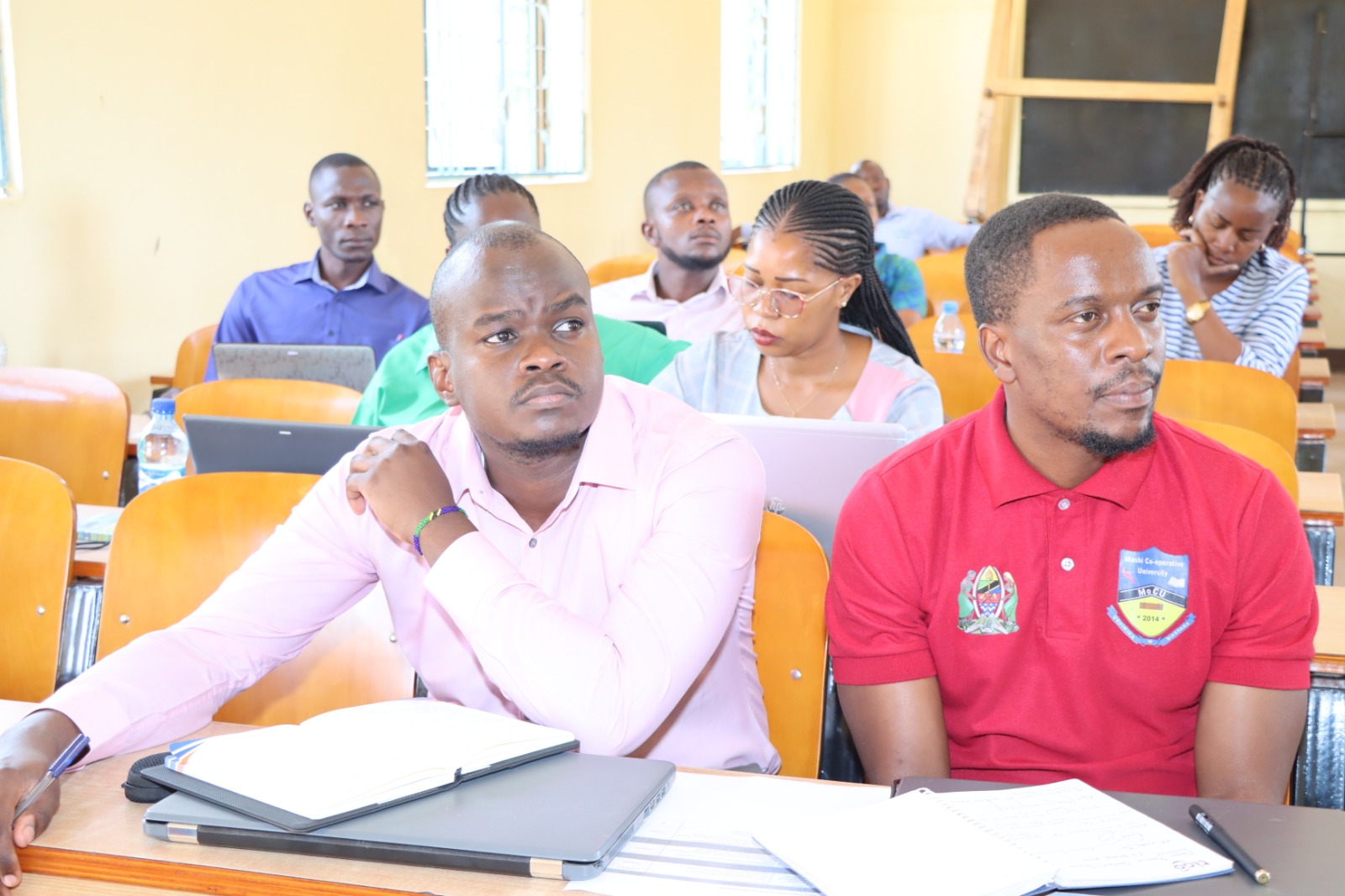
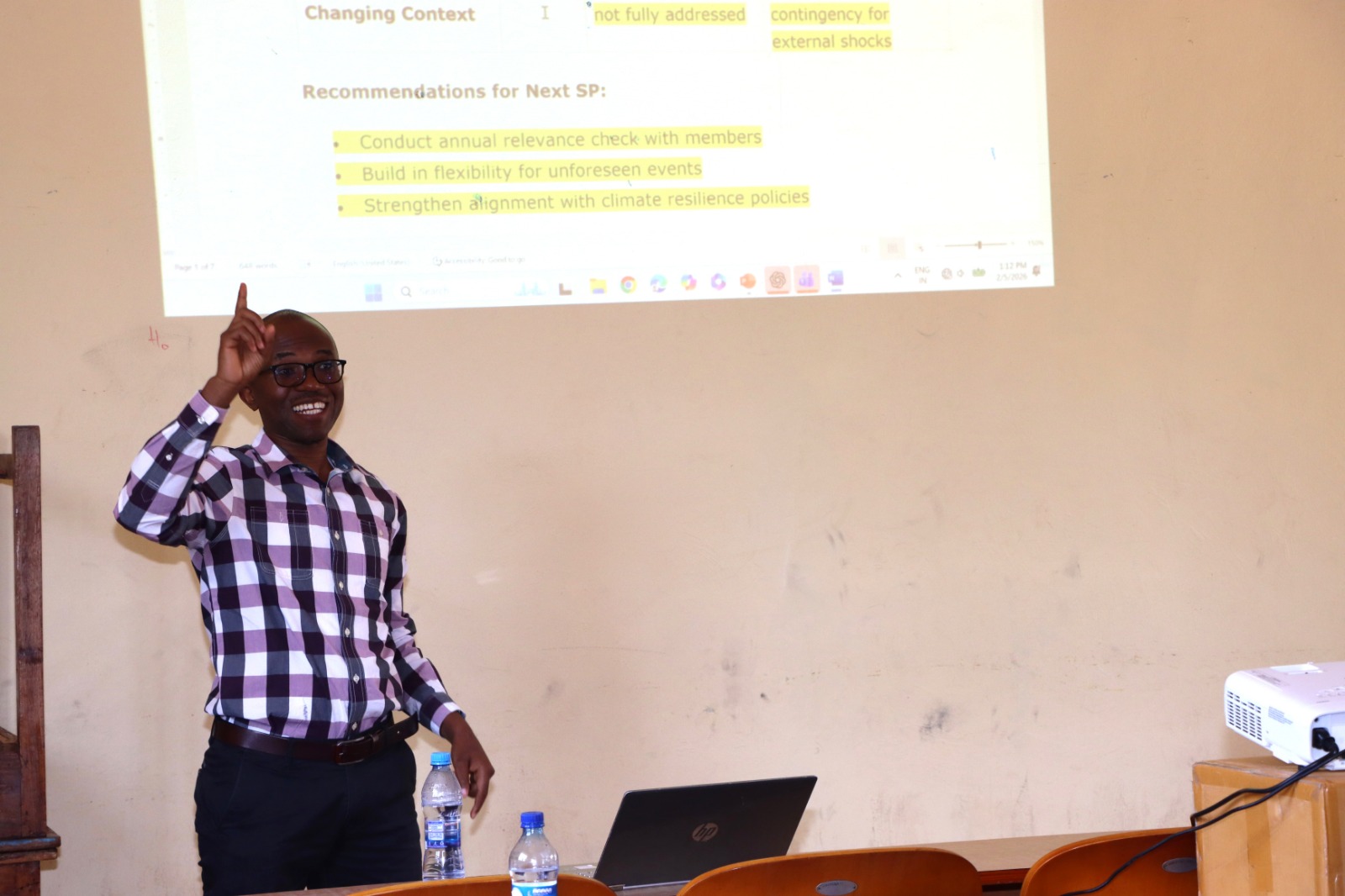
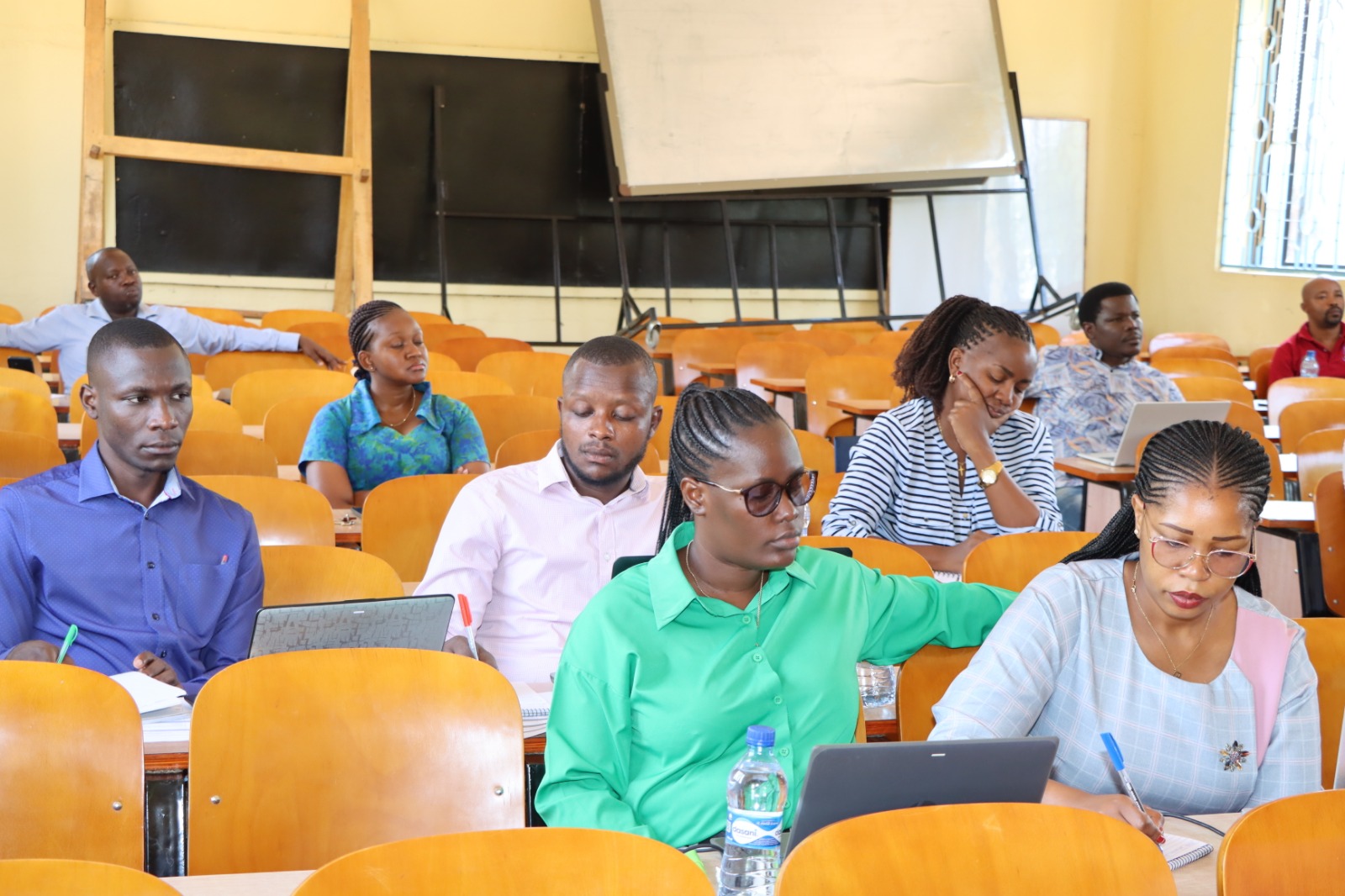
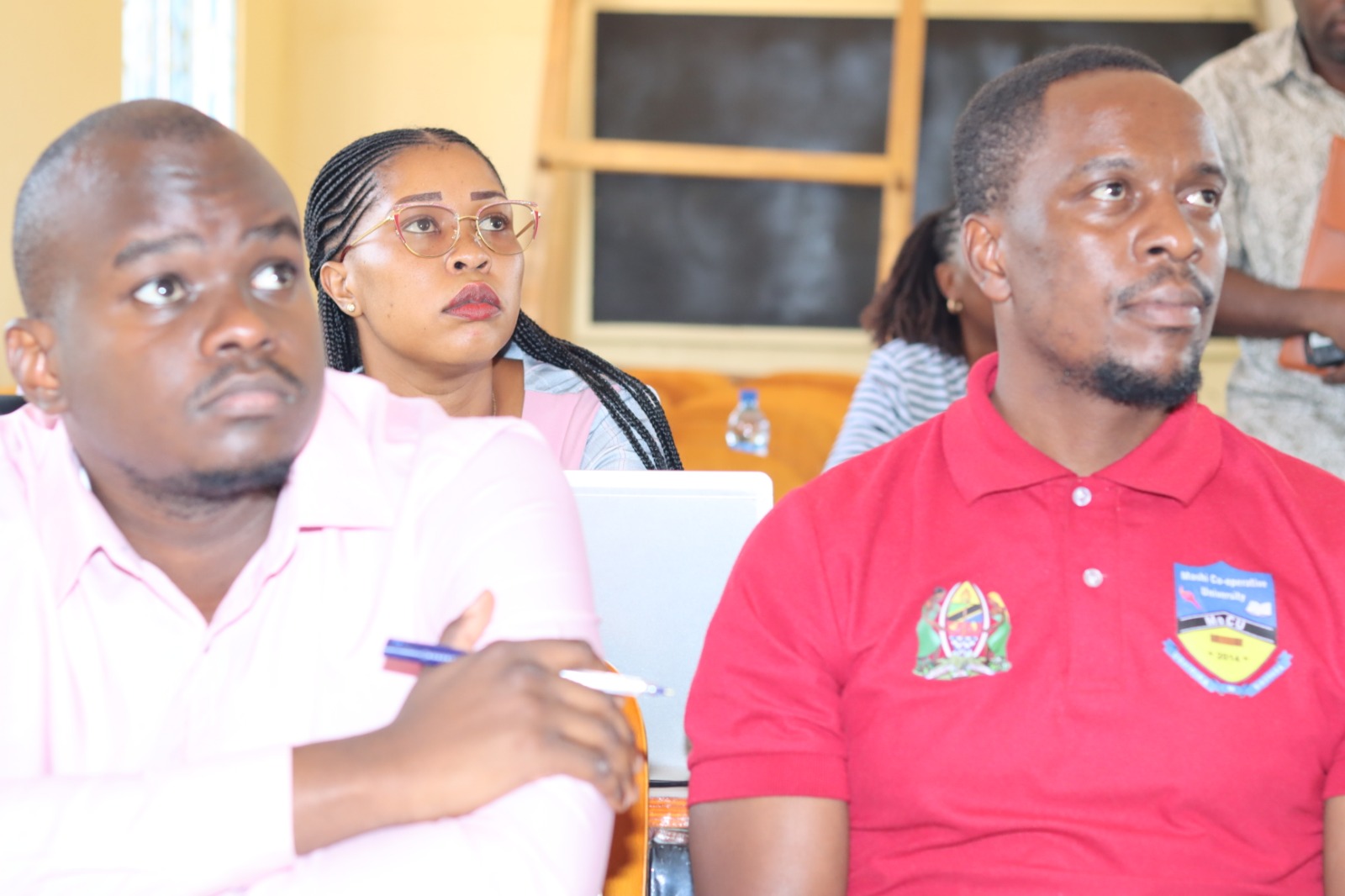
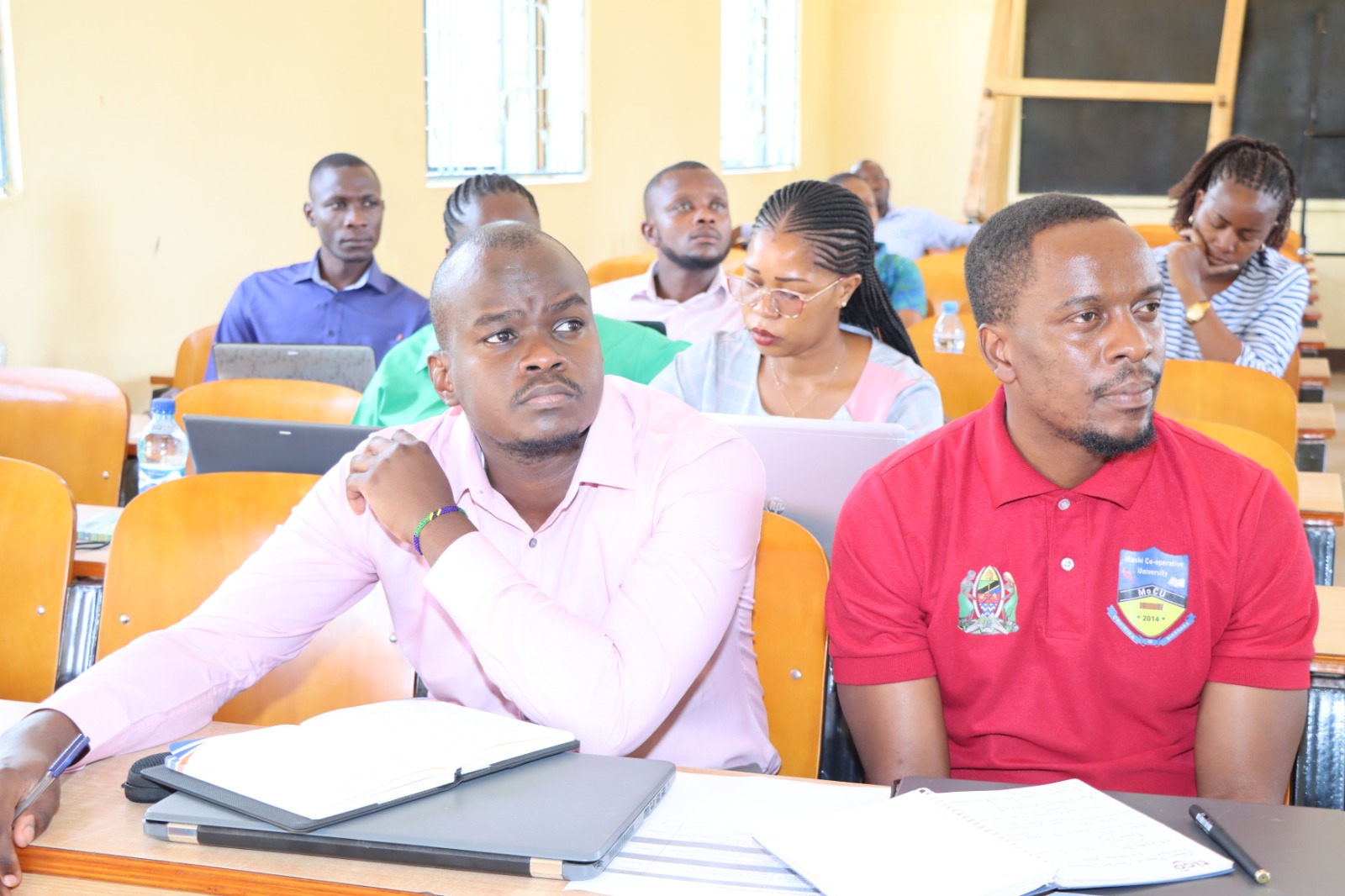
Academic staff from Moshi Co-operative University (MoCU) through its constituent college, Kizumbi Institute of Cooperative and Business Education (KICoB), participated in a two-day capacity-building training on consultancy, conducted from Thursday 5th to Friday 6th.
The training aimed at strengthening academic staff capacity in professional consultancy and strategic advisory services, in line with the University’s mission of knowledge application, outreach, and contribution to national development. During the two days, participants were introduced to consultancy in strategic planning, with practical insights on supporting institutions in the formulation, review, and implementation of strategic plans.
The programme comprehensively covered the process of acquiring consultancy assignments, including identifying consultancy opportunities, understanding Terms of Reference (ToRs), and navigating competitive bidding procedures. Participants were trained on how to prepare and submit required consultancy documents and comply with procurement and donor requirements.
A key focus area was consultancy proposal writing, where participants learned how to develop:
Technical proposals
Financial proposals
Combined technical and financial bids
Hands-on sessions enabled participants to understand proposal structuring, costing of consultancy assignments, and alignment with client expectations and evaluation criteria.
The training further emphasized professional ethics in consultancy, covering issues of integrity, confidentiality, accountability, and conflict of interest management. In addition, sessions on advocacy and lobbying highlighted how consultancy outputs and evidence-based research can be used to influence policy, decision-making, and institutional reforms.
The two-day training has enhanced the readiness of MoCU–KICoB academic staff to effectively engage in consultancy work, positioning them to secure consultancy assignments and contribute meaningfully to institutional strengthening and socio-economic development initiatives.
